


Positive Beliefs About Worry and Why Worry Can Feel Useful

Positive Beliefs About Worry and Why Worry Can Feel UsefulWhat we can help with?

Positive beliefs about worry are the reasons someone may keep worrying even when worry is making them feel worse. In CBT, the idea is that part of the mind may treat worry as useful, protective or responsible, even while another part is exhausted by it.

This can be confusing when you are living through it. Worry may feel draining, but it can also feel like a way of staying ready for what might happen next. That tension is one reason it can be hard to stop.

This does not mean worry is secretly good for you. It means the pattern often makes sense from the inside. If worry feels like it is helping, the mind is more likely to keep returning to it, even when the long-term effect is more tension, more doubt and more anxiety.

For a wider explanation of overcoming worry and generalised anxiety disorder, you can read our main guide.

Key Takeaways

  • Worry can feel useful at first: Some people believe worry helps them prepare, prevent mistakes or stay in control.
  • These beliefs can keep worry going: If worry feels helpful, it can be hard to stop using it.
  • Worry about worry can make things worse: People may also develop negative beliefs about worry, such as fearing it is uncontrollable or harmful.
  • Useful worry and excessive worry are not always the same thing: Practical thinking can help but repeated worrying often creates more anxiety than clarity.
  • CBT helps make the pattern clearer: Therapy can explore the beliefs that keep worry active and test whether worry is really helping.

What Are Positive Beliefs About Worry?

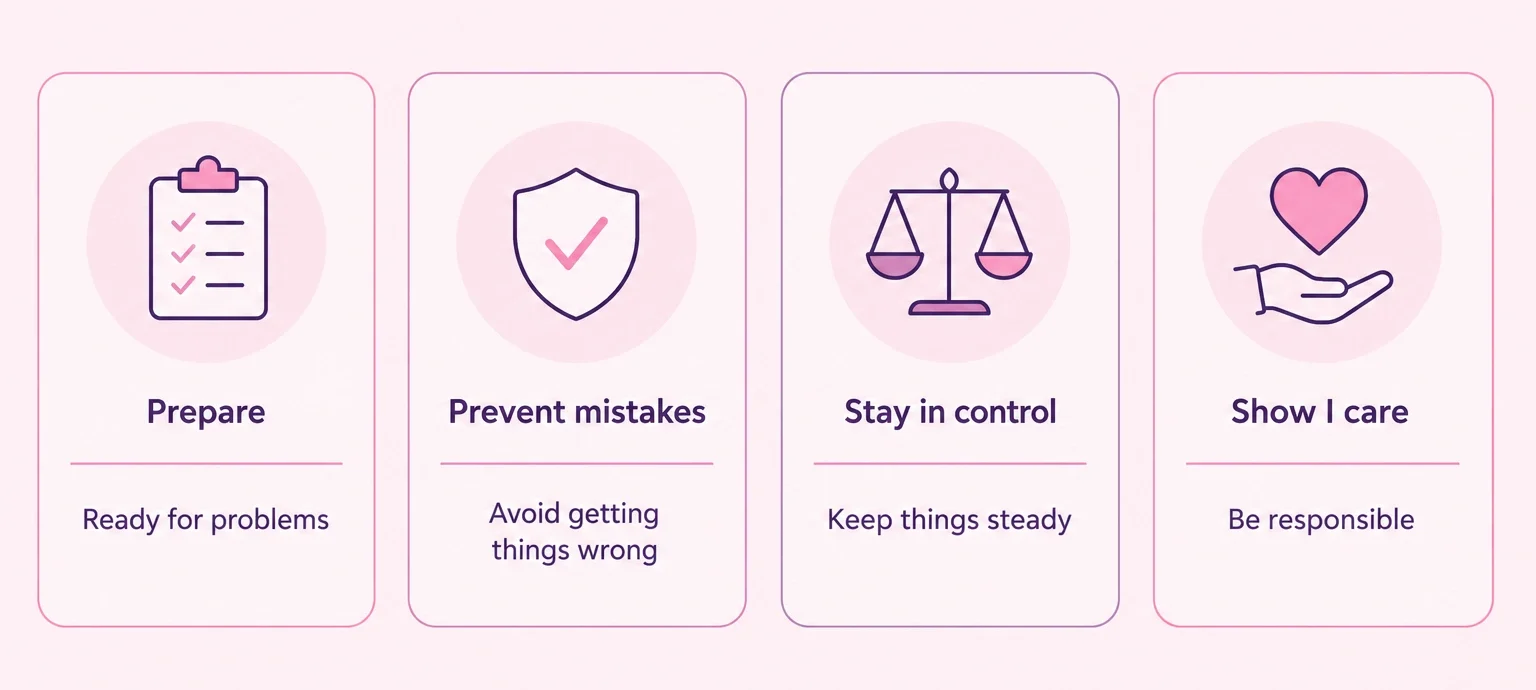
In CBT, positive beliefs about worry are the reasons someone may continue to worry because they believe it serves a purpose. The word positive does not mean the experience feels pleasant. It means the person sees worry as useful in some way, whether that is helping them prepare, stay alert, avoid mistakes or show that they care.

These beliefs are understandable. If you often feel uncertain, under pressure or responsible for a lot of things, worry can start to feel like part of how you cope. It may seem safer to keep thinking ahead than to relax and risk missing something important.

Worry Can Feel Like Preparation

Some people believe worry helps them get ready for what might go wrong. They may feel that if they stop worrying, they will be less prepared when difficulties appear.

Worry Can Feel Like Protection

Worry can also feel protective. It may seem as though it helps prevent mistakes, reduces risk or keeps danger in view.

Worry Can Feel Responsible

For some people, stopping worry feels irresponsible. They may fear that if they worried less, they would become careless, naive or too relaxed.

infographic illustrating Positive Beliefs About Worry

Why Worry Can Feel Useful

Worry often feels convincing because it gives the impression that something important is happening in the mind. Even when it is repetitive and tiring, it can still feel active rather than passive.

It Creates a Sense of Action

Worrying can feel like doing something. The mind is busy, alert and trying to stay ahead. That can create a false sense of productivity, even when the same thoughts keep circling.

It Can Feel Like Staying One Step Ahead

Worry can also create the impression of mental readiness. If you keep thinking through what might go wrong, you may feel less likely to be surprised.

It Can Seem Safer Than Letting Go

Letting go of worry can feel risky. Some people feel more vulnerable when they stop worrying because it seems as though they are lowering their guard.

As the Centre for Clinical Interventions on positive beliefs about worrying explains, people may believe worrying helps them prepare, avoid bad things, prevent mistakes or show that they care. That helps explain why worry can feel useful even when it is exhausting.

When Useful Worry Becomes a Problem

Worry and practical thinking are not always the same thing. Sometimes thinking ahead is genuinely useful. It can help you make a decision, solve a problem or remember something important. The difficulty comes when worry stops being practical and starts becoming repetitive.

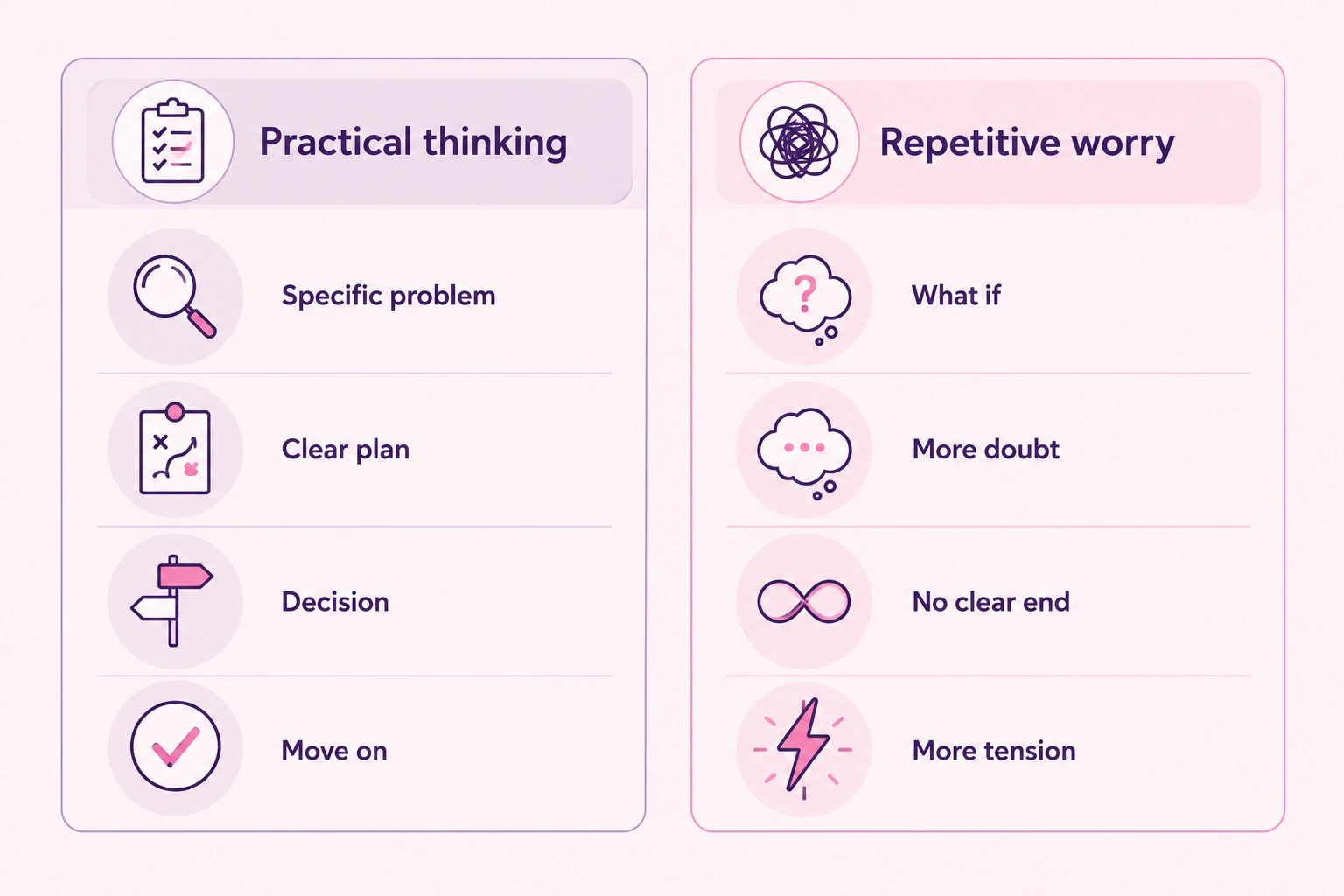
Practical thinking usually leads somewhere. You identify the issue, decide what matters, make a plan and move on. Repetitive worry often does the opposite. It circles around the same what-if questions without reaching a clear conclusion. The mind stays busy, but it does not feel settled.

Practical thinking Repetitive worry
Focuses on a specific problem Jumps across multiple what-if questions
Usually leads to a decision, action or plan Keeps circling without real resolution
Feels more grounded and time-limited Feels harder to switch off
Helps clarify what to do next Often increases tension and doubt

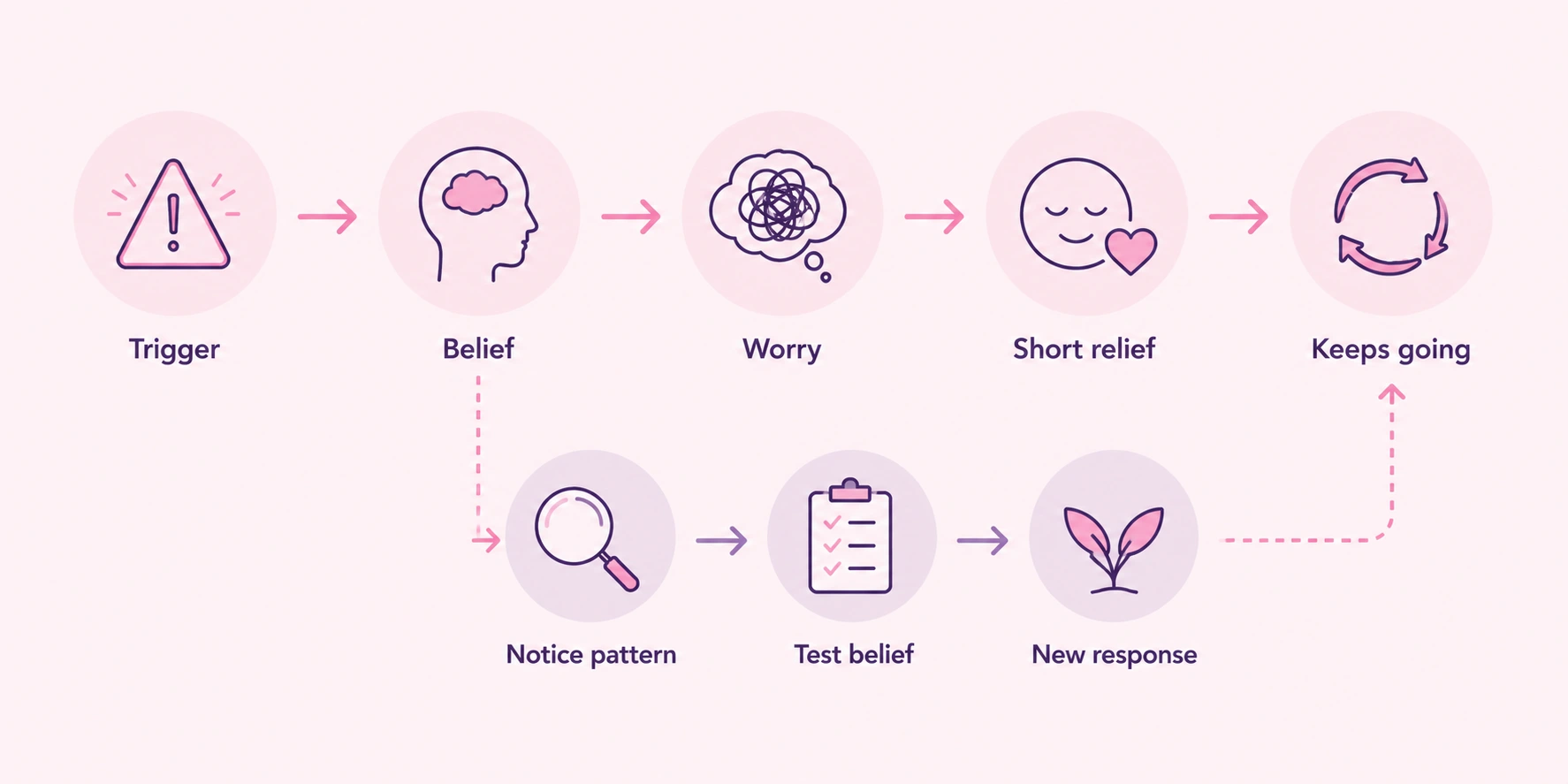
This is where the pattern can become self-reinforcing. If a person believes worry is useful, they are more likely to keep using it. That may bring a brief sense of control or relief, but it also keeps attention locked onto threat. Over time, the person has less chance to learn that they could cope without constant worry running in the background.

That feeling of control is important. Even if worry does not lead to a decision, it can still feel safer than letting the mind settle. That is one reason it becomes so sticky.

Practical Thinking Has a Clear Purpose

Practical thinking usually leads to an action, a decision or a plan. It tends to feel more focused and limited.

Repetitive Worry Keeps Going Round

Excessive worry often repeats the same feared outcomes without resolving them. It can spread from one topic to another and still leave the person feeling uncertain.

Short-Term Relief Can Keep Worry Going

If worry briefly feels useful, the person may keep returning to it. That short-term payoff can turn worry into a coping habit.

infographic illustrating When Useful Worry Becomes a Problem

Positive Beliefs About Worry in Generalised Anxiety Disorder

In generalised anxiety disorder, worry often spreads across several areas of life. A person may worry about work, health, family, money, mistakes or everyday responsibilities. Even when the topics change, the same underlying belief may still be driving the process.

Over time, worry can start to feel less like a symptom and more like a way of coping.

Psychology Tools on generalised anxiety and worry describes positive beliefs about worry as one of the factors that can help keep worry going in generalised anxiety disorder. That fits with what many people describe in therapy. They are tired of worrying, but they also fear that worrying less would leave them less ready.

Worry Can Become a Habit of Coping

When worry is treated as a coping method, it can start to feel like the main way of handling uncertainty. The person may not fully trust themselves without it.

The Same Belief Can Show Up in Different Areas of Life

The same belief can appear across many different worries. Someone may worry about work and health for different reasons on the surface, but still believe in both cases that worry helps them stay prepared.

Negative Beliefs About Worry and Worry About Worry

Some people do not only worry about life problems. They also become anxious about the fact that they are worrying. This is often called worry about worry.

At that point, the pattern can become even more distressing. The person may start to feel that worry is not only useful but also dangerous. They may fear that it is getting out of control, harming their health or affecting their mind.

This means positive and negative beliefs can exist at the same time. One part of the person believes worry helps. Another part fears worry itself.

Worry Can Start to Feel Uncontrollable

A common negative belief is that once worry starts, it cannot be stopped. That can make the person feel trapped by their own thinking.

Worry Can Start to Feel Harmful

Some people begin to fear that worry itself is dangerous. They may worry that it will make them unwell, overwhelm them or lead to a breakdown.

Positive and Negative Beliefs Can Exist Together

This is what makes the pattern so hard. If worry feels both useful and harmful, the person may feel pulled in two directions at once.

As Cambridge University Press on Adrian Wells’ cognitive model of generalized anxiety disorder explains, problematic worry can involve both the motivated use of worry as a coping strategy and negative appraisal of worry itself. In plain English, worry can feel helpful at first and frightening later.

How CBT Helps People Understand Their Beliefs About Worry

CBT helps by making this pattern easier to see. Instead of only focusing on the content of worry, therapy can also look at what the person believes worry is doing for them.

That often changes the conversation. Rather than asking only what someone worries about, CBT may ask why they keep returning to worry and what they fear would happen if they did not.

This can be a turning point in therapy. Many people have spent a long time arguing with the content of their worries but have never stepped back to ask what function the worry is serving.

CBT may also compare what the person expects worry to do with what worry actually does over time. Someone may expect worry to help them feel more prepared, but in practice it may leave them more tense, doubtful and mentally tired. That gap between the expected benefit and the actual effect can be very important.

Identifying the Belief Behind the Worry

Therapy may explore whether the person believes worry helps them prepare, stay responsible, prevent mistakes or stay in control.

Making the Pattern Visible

CBT can help the person notice the trigger, the belief, the worry response and the short-term payoff that keeps the pattern going.

Testing Whether Worry Is Really Helping

The next step is often to test whether worry is actually doing what the person believes it is doing. Does it lead to clearer planning, or does it mostly create tension and more doubt?

Reducing Worry About Worry

Therapy may also work on the fear that worry is dangerous or uncontrollable. This matters because a person who fears worry itself will usually feel even more anxious when worry appears.

infographic illustrating How CBT Helps People Understand Their Beliefs About Worry

Case Study From a CBT Therapist’s Perspective

The following anonymised case study is written from a therapist’s perspective. The client’s name has been changed to Emma to protect privacy, but it reflects the kind of pattern that may be explored in CBT.

The Client’s Condition When They First Made Contact

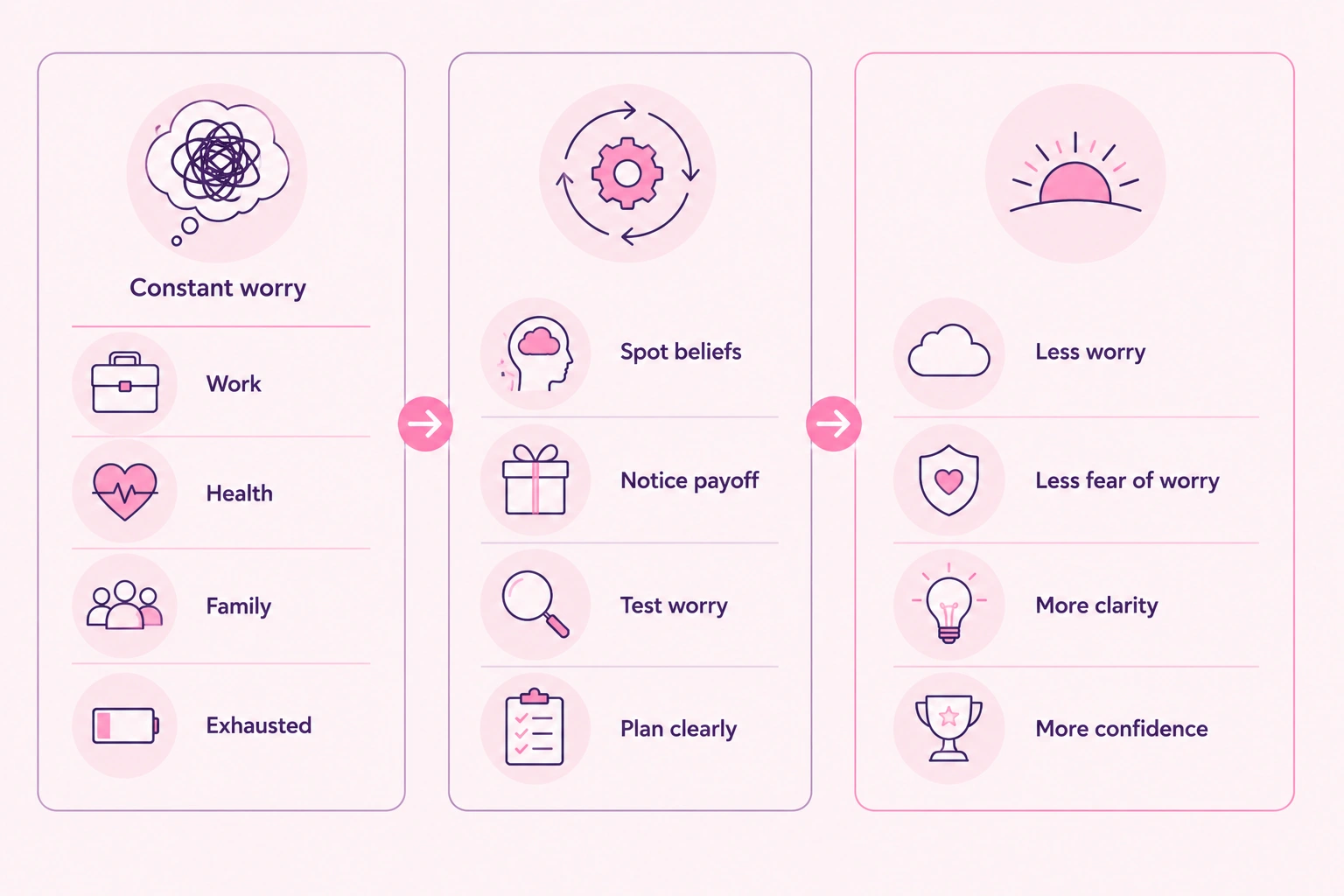
When Emma first made contact with us at NOSA, she described constant worry about work, health and family responsibilities. She felt mentally busy for most of the day and found it hard to switch off at night. Although the worry exhausted her, part of her still believed it was helping her stay on top of things.

The Beliefs About Worry That Became Clear

As therapy progressed, it became clearer that Emma believed worry helped her stay prepared and avoid being caught off guard. At the same time, she also feared that her worry was becoming uncontrollable. This meant she was caught between relying on worry and feeling frightened by it.

How This Guided CBT Works

The work focused on identifying the beliefs behind Emma’s worry, noticing the short-term payoff and testing whether worry was helping in the way she assumed. We compared worrying with more focused planning and looked at what happened when she did not automatically follow each worried thought.

The Successful Results

Over time, Emma became better at spotting when worry was being treated as a coping strategy rather than a solution. She still experienced uncertainty, but she felt less dependent on worry and less frightened by the fact that she was worrying. The change was realistic rather than dramatic, but it gave her more space and more confidence.

infographic illustrating Case Study From a CBT Therapist’s Perspective

Final Thoughts

Positive beliefs about worry can make anxiety harder to understand because worry does not only feel unpleasant, but it can also feel helpful. CBT can clarify that pattern by showing how worry may offer short-term reassurance while keeping longer-term anxiety active. Once those beliefs become more visible, it is easier to see what keeps the cycle going and what needs to change.

FAQs

Positive beliefs about worry are beliefs that worry is useful in some way. A person may believe it helps them prepare, stay responsible, avoid mistakes or keep control.

Worry about worry means becoming anxious about the fact that you are worrying. Instead of only worrying about life problems, the person also worries that their worry is uncontrollable, harmful or dangerous.

Negative beliefs about worry are beliefs that worry is harmful or hard to control. For example, someone may believe that once worry starts it cannot be stopped, or that too much worry will damage their health or mind.

Thinking ahead can be useful when it leads to a decision, plan or action. Repetitive worry is different because it often goes round the same fears without helping the person feel clearer or more settled.

CBT helps people notice the beliefs behind worry and test whether worry is really helping in the way it seems to. It can also help with worry about worry by addressing the fear that worry is uncontrollable or dangerous.

Author Bio

James Hicks

Disclaimer

This page is for general information and education. It is not personalised advice, diagnosis, or a substitute for professional assessment.

CBT Bristol

Take the First Step Towards Change

NOSA CBT offers evidence-based therapy for OCD, hoarding help, phobias, health anxiety, social anxiety, PTSD, panic disorder, and generalised anxiety disorder. We also provide a specialist OCD clinic, professional CBT supervision training, and CBT training and teaching for mental health professionals.

Get in touch today to find out how we can help.