Understand the fear cycle
Identify the places, journeys, thoughts, body sensations, and escape patterns that keep the phobia going.
CBT can help you manage situational phobias with a clear, practical plan.


Situational phobias involve an intense fear of specific places, journeys, or situations, even when you know the danger is low. This might include tunnels, bridges, driving, public transport, lifts, enclosed spaces, or busy environments where escape feels difficult.
For some people, a situational phobia begins after a frightening experience, panic attack, accident, or period of high stress. For others, the fear develops gradually and starts to shape day-to-day decisions. You might avoid certain routes, rely on other people, leave extra early, check escape options, or only travel when conditions feel safe.
These strategies can reduce anxiety in the short term, but they often keep the fear going. CBT helps you understand the cycle and change it with gradual, structured practice.
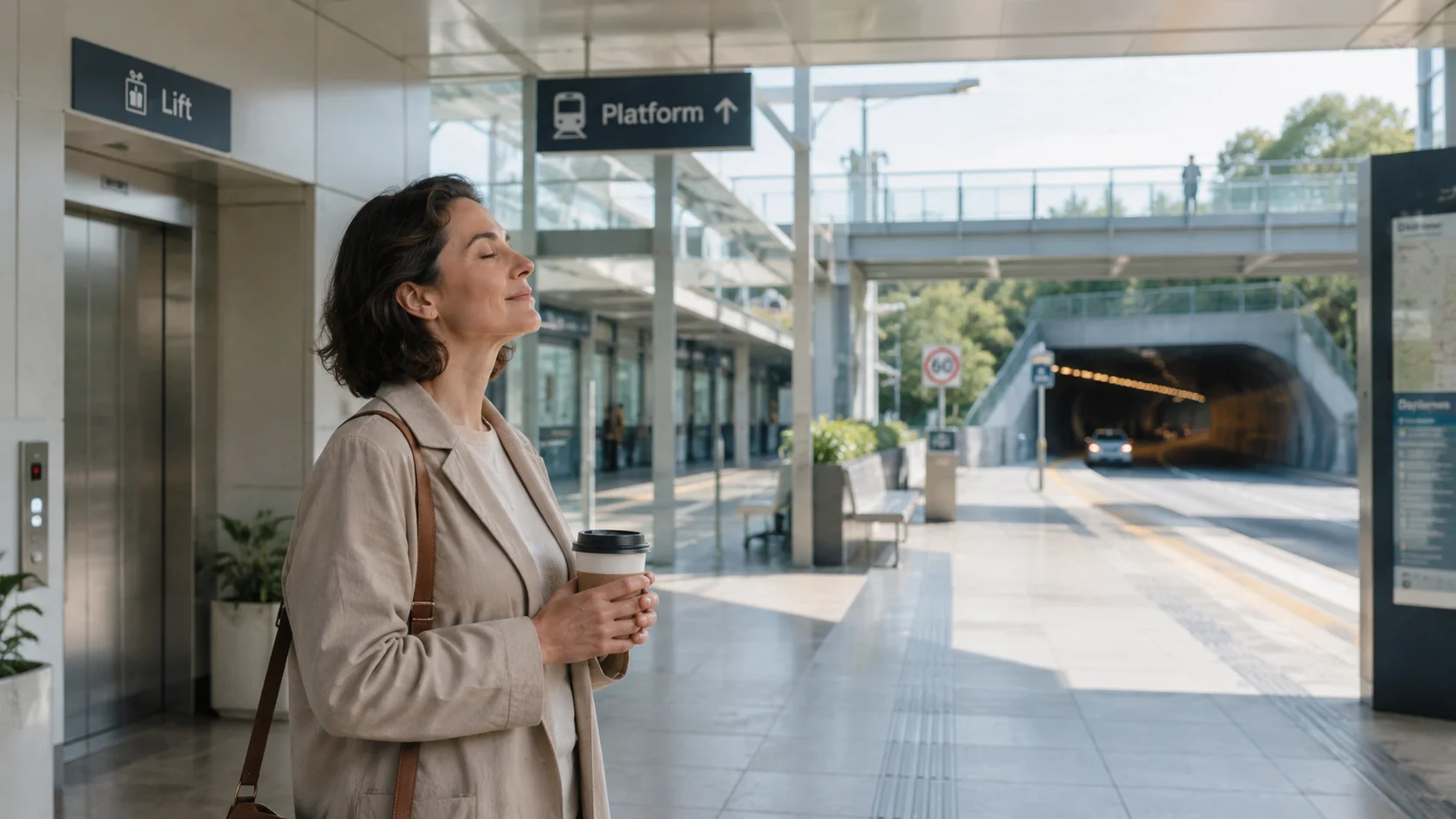
Triggers vary from person to person, but these are some of the most common.

Tunnel phobia can make enclosed routes feel unsafe, especially when escape feels limited or difficult.

Fear of driving a car can affect everyday journeys, from short local trips to longer routes and motorways.

Claustrophobia can make enclosed spaces feel overwhelming, even when you know you are not in danger.

A phobia of public transport can make buses, trains, and crowded journeys feel difficult to manage.

A phobia of bridges can make crossing bridges feel frightening, especially when turning back feels impossible.
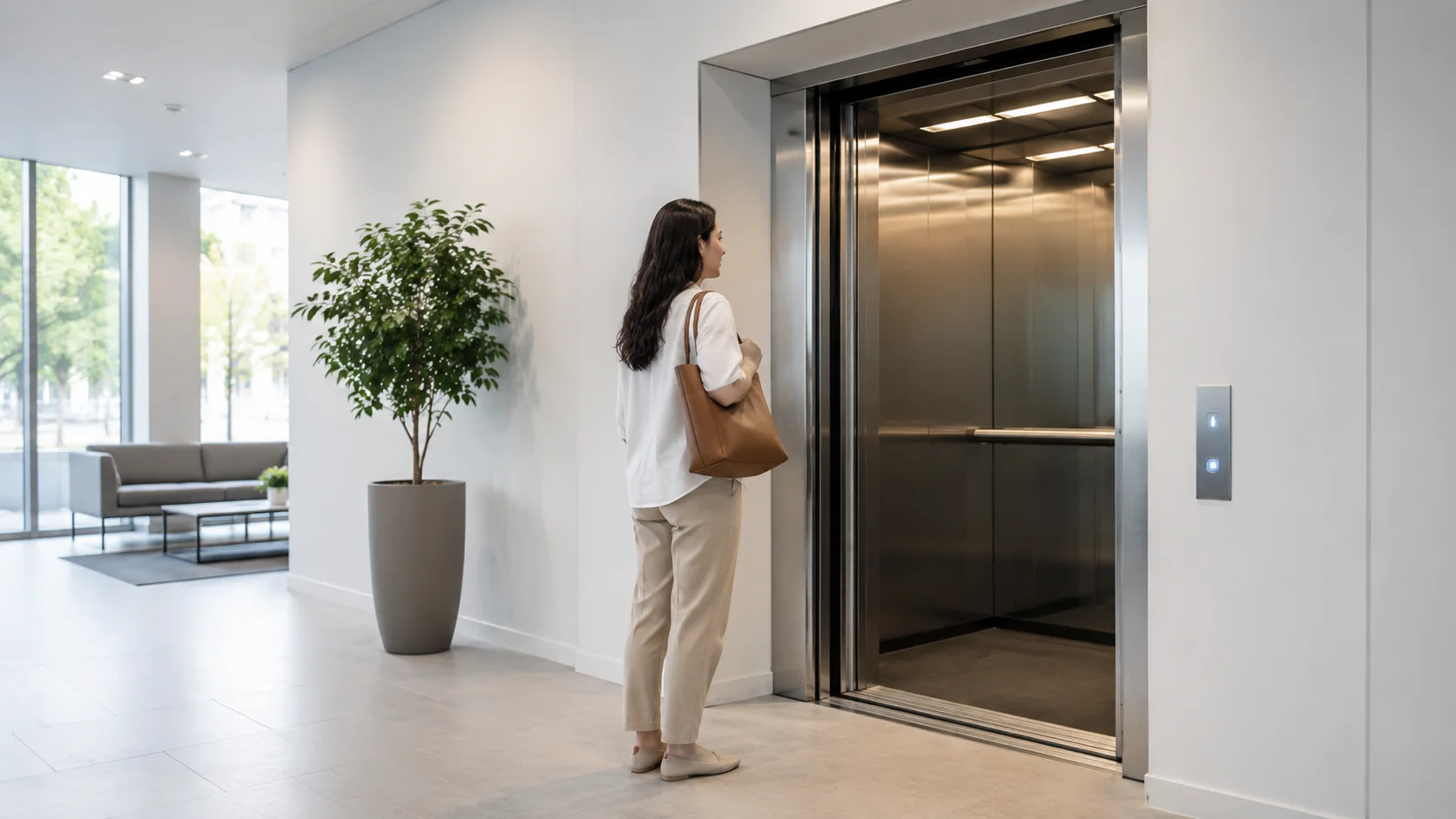
Lift phobia can cause intense anxiety about being trapped, losing control, or feeling unable to leave.
CBT is a practical, evidence-based approach that helps you face feared situations with more confidence and less avoidance.
Gradual, structured CBT exposure helps you face feared places, journeys, and situations safely.
Many people live with situational phobias for years, even when they limit work, travel, social plans, and everyday routines. The good news is that phobias can respond well to CBT when treatment is clear, structured, and repeated over time.
At NOSA CBT in Bristol, we create a personalised plan for situational phobias that targets your triggers while reducing avoidance and safety behaviours. For some people, this may involve tunnel phobia, a phobia of public transport, a phobia of bridges, or a fear of driving a car. Others may struggle most with enclosed spaces, queues, lifts, busy roads, or places where leaving quickly feels difficult.
This kind of CBT for phobias works best when it is gradual, repeated, and tailored to your real-life situations. We map your fear cycle, practise staying with anxiety safely, and use behavioural experiments to test anxious predictions about panic, losing control, being trapped, or being unable to cope.
Between sessions, you follow small, manageable steps that build confidence without rushing. Over time, your brain learns that the situation is uncomfortable, not dangerous, and the urge to escape reduces. This approach helps you move through daily life with less dread and fewer rules.