
Biological Explanations for OCD

What we can help with?
biological explanations for OCDWhat we can help with?

When we talk about Obsessive-Compulsive Disorder (OCD), the focus is often on the visible parts of the condition, the distressing thoughts, the repetitive behaviours, and the anxiety that follows. But there’s another side worth understanding: what’s going on inside the brain itself. If you’re looking for support, we can help with OCD therapy in Bristol.

There are several biological explanations for OCD that help explain why certain thoughts become so persistent, and why it can be so difficult to stop rituals or compulsions, even when someone knows they’re not logical. Looking at brain function, brain chemistry, and even genetics can give us a more complete picture of the condition and support more effective treatment through our specialist OCD clinic.

What Is OCD?

OCD is a common mental health condition that involves two main parts:

Obsessions

Unwanted, intrusive thoughts, images or urges that trigger distress

Compulsions

Behaviours or mental acts carried out to neutralise the anxiety caused by the obsessions

This cycle can take up hours each day and interfere with work, relationships, and daily routines. OCD is not about being neat or tidy. It’s about fear, doubt, and an overwhelming need to feel safe or in control. If you’re supporting someone close to you, our blog on practical tips for living with someone who has OCD shares ways to help without getting pulled into the cycle.

Psychological treatment, like Cognitive Behavioural Therapy (CBT), focuses on helping individuals challenge and change the way they respond to these thoughts. But alongside this, it can be helpful to look at what science tells us about the biological side of OCD. If you’re wondering how symptoms can change over time, our blog on how long do ocd flare-ups last explains what can affect flare-ups and what tends to help.

pexels shvets production 7203692 1

Brain Structure and Function

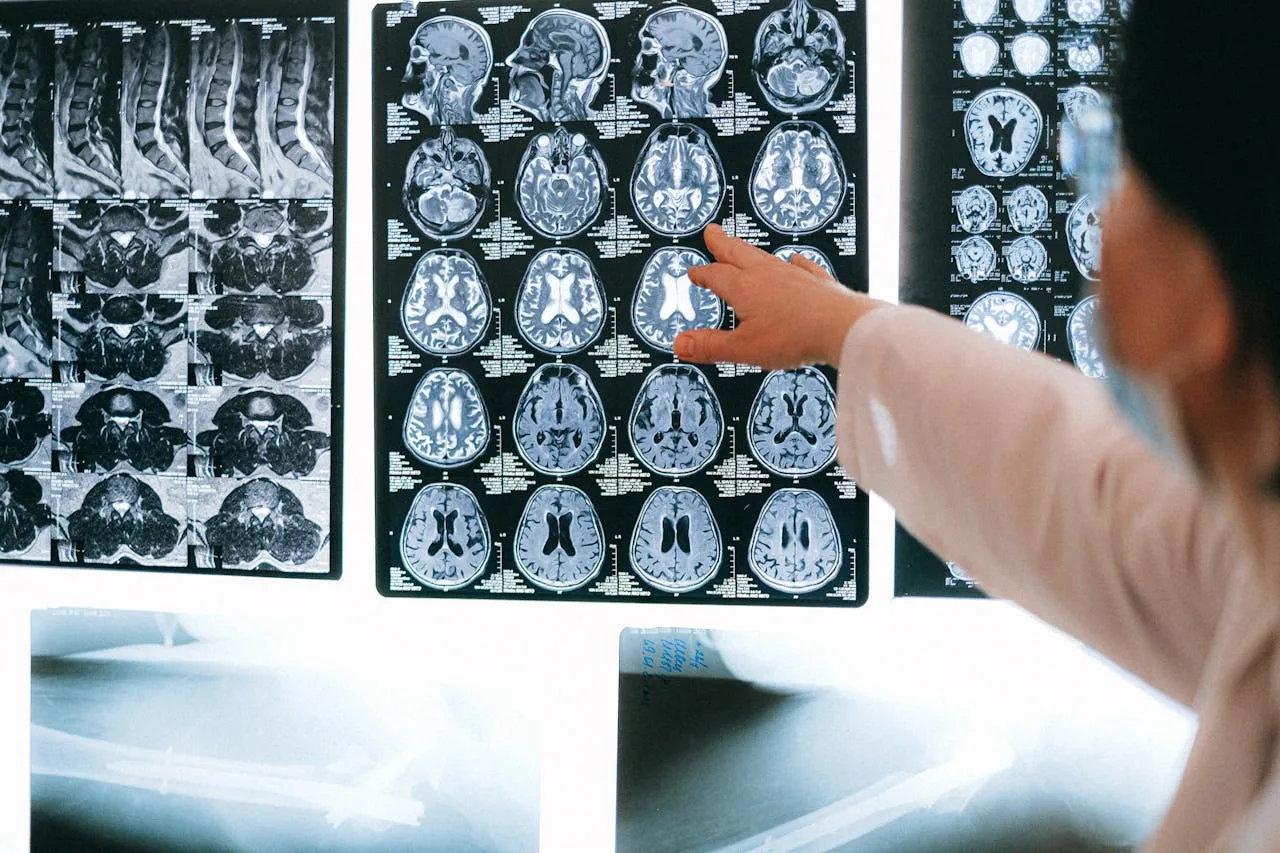
One of the most researched areas in OCD is how the brain functions. Brain imaging studies have shown that people with OCD often have differences in the way certain brain circuits operate. If you’re curious how this can show up at night as well as during the day, our blog OCD and Dreams explores the connection.

A key network involved is the cortico-striato-thalamo-cortical (CSTC) loop, which plays a role in:

  • Processing information
  • Regulating emotions
  • Deciding whether a thought or action is relevant or needs attention

In OCD, this loop tends to be overactive. This may explain why the brain keeps flagging certain thoughts as threats, even when they’re not. Another area of interest is the orbitofrontal cortex, which is involved in detecting potential dangers.

When this area becomes too sensitive, the brain may struggle to filter out irrelevant or harmless information. That’s why a small worry, like whether a door is locked, can spiral into an overwhelming urge to check it repeatedly.

These patterns are part of what researchers refer to when exploring biological explanations for OCD. Importantly, these differences in brain activity are not permanent and do not mean something is broken. Instead, they provide insight into why OCD symptoms occur and offer direction for treatment approaches.

Brain Chemistry and OCD

Brain function is heavily influenced by brain chemistry. In OCD, one of the most commonly discussed chemicals is serotonin, which plays a role in mood, emotion, and the regulation of anxiety.

When serotonin levels are low or not working properly in the brain, it can contribute to heightened anxiety and the persistence of intrusive thoughts. That’s why medications like SSRIs (Selective Serotonin Reuptake Inhibitors) are often used in treatment — they help increase the availability of serotonin.

Some key points about serotonin and OCD:

  • SSRIs can reduce symptoms by helping regulate mood and thought processes
  • Medication is often used alongside CBT, not instead of it
  • Not everyone with OCD responds to SSRIs, but many find them helpful in reducing symptom intensity

Understanding the role of brain chemistry doesn’t mean medication is the only answer, but it gives us another tool in managing the condition, especially when symptoms are severe. If you’re curious about how medication is sometimes used for anxiety in specific situations, our blog on medication for flying phobia explains the options and considerations.

NOSA CBT logo

Genetics and Family History

Researchers have also explored whether OCD can run in families, and there is evidence to suggest that genetics can play a part.

Studies show that:

  • People with a first-degree relative (like a parent or sibling) with OCD are more likely to develop the condition themselves
  • This risk appears stronger when OCD begins in childhood
  • Certain genes may influence how the brain processes information, responds to stress, or manages fear

However, having a relative with OCD does not guarantee that someone will develop it. Genes are just one part of the story. Life experiences, upbringing, stress levels, and other psychological factors all contribute.

So while genetics may increase vulnerability, they do not determine outcome. OCD is the result of a combination of influences, and it is possible to manage the condition effectively with the right support.

Why Biological Explanations for OCD Matter

Learning about the biological explanations for OCD can be reassuring. It helps shift the narrative from “Why can’t I just stop thinking this way?” to “There’s a reason my brain is responding like this — and there’s something I can do about it.”

Understanding the biology behind OCD can:

  • Reduce self-blame and shame
  • Help individuals make informed choices about treatment
  • Highlight why therapy and medication work well together
  • Show that OCD is not a personal weakness — it’s a health condition that affects how the brain processes information

Knowing that OCD has biological roots doesn’t mean it’s untreatable. In fact, it strengthens the case for structured, evidence-based therapy that works with the brain, not against it. If you’d like a clearer explanation of the thoughts that drive the cycle, our blog treating ocd with CBT and understanding intrusive thoughts breaks it down.

pexels tara winstead 8849272 1

The Link Between Biology and Treatment

CBT, particularly Exposure and Response Prevention (ERP), is the most effective treatment for OCD. It helps you gradually face your fears without performing compulsions, training your brain to respond differently.

When someone understands that their brain is mistakenly tagging certain thoughts as dangerous, it can:

  • Make therapy feel more manageable
  • Encourage patience with the process
  • Build motivation to tolerate discomfort in the short term for long-term relief

Medication can support this by reducing anxiety levels enough to make CBT easier to engage with. It is not a magic fix, but for many, it’s a valuable part of their recovery journey. If you’re wondering how long therapy might take and what “long term” really means in practice, our blog is cbt a long-term therapy explains it.

There’s a link between emetophobia and OCD, and we’ve written an in-depth blog about this

Final Thoughts

OCD is a complex condition with both psychological and biological components. Looking at the brain helps explain why obsessions feel so intense and why it can be so hard to resist compulsions.

Biology is not the whole story, but it is an important part of it. By understanding how the brain functions, how serotonin works, and what role genetics may play, we’re better placed to treat OCD effectively.

The most important thing to remember is this: OCD is treatable. Whether your symptoms are mild or severe, recovery is possible with the right approach and support. Understanding the biological explanations for OCD is just one part of the puzzle, but it can make a big difference in how you view the condition and how you respond to it moving forward.

Take the Next Step with NOSA CBT

At NOSA CBT, we specialise in helping people understand and manage OCD. We use evidence-based treatments like CBT to help you challenge intrusive thoughts, break free from compulsive cycles, and regain control.

If you’re ready to move forward or want to learn more about how OCD works, we’re here to help. Get in touch today to book a consultation and take that first step toward feeling better.

If you’re a practitioner looking to build your skills, we also offer CBT supervision training in Bristol and CBT training.

CBT Bristol

Take the First Step Towards Change

NOSA CBT offers evidence-based therapy for OCD therapy, hoarding help, phobia treatment, therapy for health anxiety, social anxiety treatment, PTSD therapy, cognitive therapy for panic disorder, and CBT for generalised anxiety disorder. We also provide a specialist OCD clinic, professional CBT supervision training, and CBT training and teaching for mental health professionals. Therapy is available both online and in Bristol.

Get in touch today to find out how we can help.

Other blogs

Fear vs phobia through the lens of CBT

Fear vs phobia through the lens of CBT

More
Emetophobia and OCD

Emetophobia and OCD: understanding the link between the two

More
infographic of a man who needs CBT for driving anxiety

How CBT for driving anxiety helps you face panic triggers

More