

Is Agoraphobia a Disability?

Is Agoraphobia a DisabilityWhat we can help with?

If you struggle with leaving the house, using public transport, or being in crowded places because of overwhelming fear, you may be wondering: is agoraphobia a disability? It is a question many people ask, particularly when their symptoms begin to seriously impact their daily lives.

In this blog, we will explore what agoraphobia is, how disability is defined, and whether agoraphobia can be considered a disability under the law. We will also look at what support might be available for those affected. If you’d like a broader overview of panic attacks and the avoidance they can drive, our panic disorder and CBT guide is a useful place to start.

Key Takeaways

Agoraphobia can be classed as a disability under the Equality Act 2010, but a diagnosis alone does not automatically meet the legal definition.

The main consideration is whether the condition has a substantial and long-term effect on normal day-to-day activities.

Agoraphobia may affect travelling, shopping, attending appointments, working, socialising or leaving home without support.

“Long-term” generally means that the effects have lasted, or are likely to last, for at least 12 months.

People whose agoraphobia meets the disability definition may be entitled to protection from discrimination and reasonable adjustments.

Eligibility for benefits such as Personal Independence Payment is assessed separately and depends on how the condition affects daily living and mobility.

CBT and gradual exposure can help reduce avoidance and support people in rebuilding confidence and independence.

What Is Agoraphobia?

Agoraphobia is an anxiety disorder where a person fears and avoids situations that might cause them to feel trapped, helpless, or embarrassed. Although many people associate it simply with a fear of open spaces, it is often more complex than that.

Common fears linked to agoraphobia include:

  • Using public transport
  • Being in shopping centres or supermarkets
  • Standing in crowds or queues
  • Being outside the home alone
  • Travelling far from a perceived safe place, usually home

Physical symptoms often accompany these fears. They can include:

  • Rapid heartbeat
  • Dizziness
  • Shortness of breath
  • Chest pain
  • Feeling faint

The intensity of the fear can vary, but for many people, agoraphobia can become severely disabling. Some may feel unable to leave their home at all without significant distress. This can lead to isolation, loss of employment, and difficulties maintaining relationships, all of which seriously affect quality of life.

How Is Disability Defined?

Understanding whether agoraphobia is classed as a disability requires a clear look at how disability is legally defined.

In the UK, the Equality Act 2010 provides the main definition. It states that a person is considered disabled if they have:

  • A physical or mental impairment
  • That has a substantial and long-term adverse effect
  • On their ability to carry out normal day-to-day activities

“Substantial” means more than minor or trivial, while “long-term” generally means the condition has lasted, or is likely to last, for at least 12 months.

Importantly, the Act recognises both visible and invisible disabilities. Mental health conditions, such as anxiety disorders, depression, and agoraphobia, are fully included if they meet the criteria above.

Other countries use similar definitions, although exact wording may vary.

Is Agoraphobia a Disability?

The key question many people ask is, is agoraphobia a disability under the law?

The answer is that it can be. Whether agoraphobia qualifies as a disability depends largely on the severity of the condition and the impact it has on a person’s daily life.

If agoraphobia significantly restricts a person’s ability to carry out ordinary activities such as shopping, attending appointments, travelling, or working outside the home, it is very likely to be considered a disability under the Equality Act 2010.

Some of the factors that might support a disability classification include:

  • The individual avoids necessary day-to-day activities due to fear
  • There is a substantial limitation on social and occupational functioning
  • The condition has persisted for 12 months or more, or is likely to do so
  • The symptoms are serious enough to impact independence and participation in society

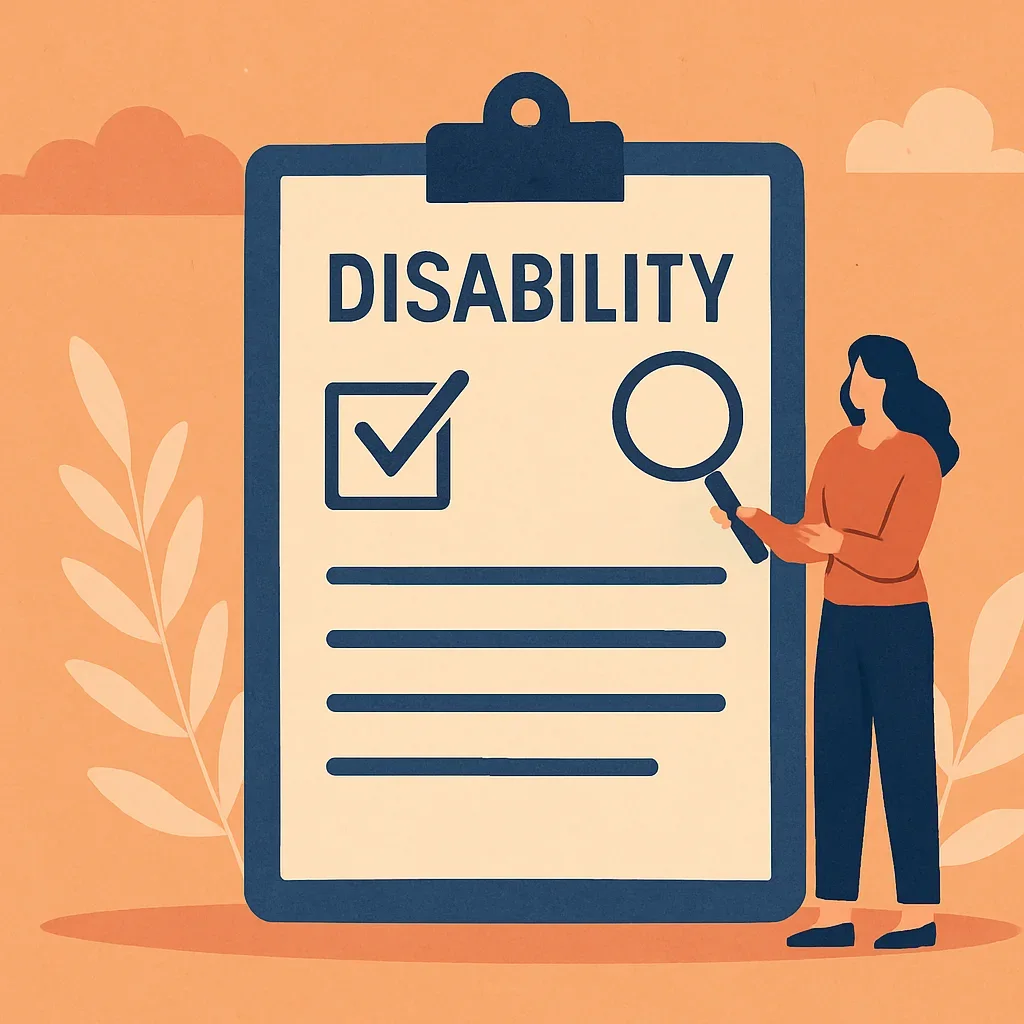
When determining whether agoraphobia is considered a disability, each case is assessed individually. The assessment takes into account the person’s specific challenges, available medical evidence, and the real-world impact on their ability to live independently.

ChatGPT Image Apr 29 2025 07 48 55 AM 1

Practical Implications if Agoraphobia Is a Disability

If agoraphobia is recognised as a disability, it can open the door to certain legal protections and support.

Rights under the Equality Act 2010

People with disabilities are protected from discrimination in areas such as:

  • Employment
  • Education
  • Access to goods and services
  • Housing

Employers, service providers, and public bodies must make reasonable adjustments to accommodate individuals with disabilities. This ensures fair treatment and access to opportunities.

Examples of reasonable adjustments include:

  • Offering remote or hybrid working arrangements
  • Allowing flexible hours to avoid peak travel times
  • Providing video interviews rather than requiring in-person attendance
  • Making changes to office layouts to ease anxiety

Benefits and Financial Support

Individuals living with agoraphobia that impacts their functioning may also be eligible for financial help. In the UK, this might include:

  • Personal Independence Payment (PIP)
  • Employment and Support Allowance (ESA)
  • Access to support services through local authorities or mental health charities

Applying for benefits often involves providing medical evidence and demonstrating how the condition affects daily living and mobility. A diagnosis alone may not guarantee eligibility; assessors focus on the functional impact of the condition.

NOSA CBT logo

Getting Support for Agoraphobia

Recognising the impact of agoraphobia and understanding whether agoraphobia is a disability can encourage more people to seek support. Fortunately, there are a range of treatments and resources available that can make a real difference.

Effective treatments for agoraphobia include:

Cognitive Behavioural Therapy (CBT):

CBT is often the first-line treatment for agoraphobia. It helps individuals identify unhelpful thoughts and behaviours, develop coping strategies, and gradually face situations they fear. CBT can be highly effective, especially when combined with a personalised treatment plan that builds exposure in manageable steps.

Where agoraphobia is driven by fear of panic itself, treatment may also involve safely testing the bodily sensations the person has learned to fear. Our article on exposure to feared bodily sensations explains how this part of CBT can help weaken the link between physical symptoms and catastrophic predictions.

Exposure Therapy:

This approach encourages individuals to gradually confront feared situations rather than avoiding them. Over time, the brain learns that the feared outcomes are unlikely or manageable, helping to reduce anxiety. Exposure therapy is often integrated into CBT.

Medication:

In some cases, doctors may prescribe antidepressants or anti-anxiety medications. These can help manage the underlying symptoms and make therapy more effective. Medication is usually most beneficial when used alongside talking therapies.

Online Therapy and Self-Help Resources:

For those who find it difficult to leave their home, online therapy sessions or guided self-help programmes can be valuable alternatives. Many services offer structured CBT-based interventions through video calls, apps, or workbooks.

Support Groups and Peer Support:

Joining a support group, either in-person or online, allows individuals to share experiences and coping strategies with others who understand what they are going through. Peer support can reduce feelings of isolation and provide encouragement during the recovery journey.

Practical Support:

Some local councils, charities, and mental health organisations offer additional support services. This can include help with applying for benefits, accessing transport assistance, or arranging home visits for therapy sessions.

Seeking help early is important.

Agoraphobia can worsen over time if left untreated, leading to greater isolation and difficulty engaging with the world. Early intervention often leads to better outcomes and can help individuals regain independence and quality of life.

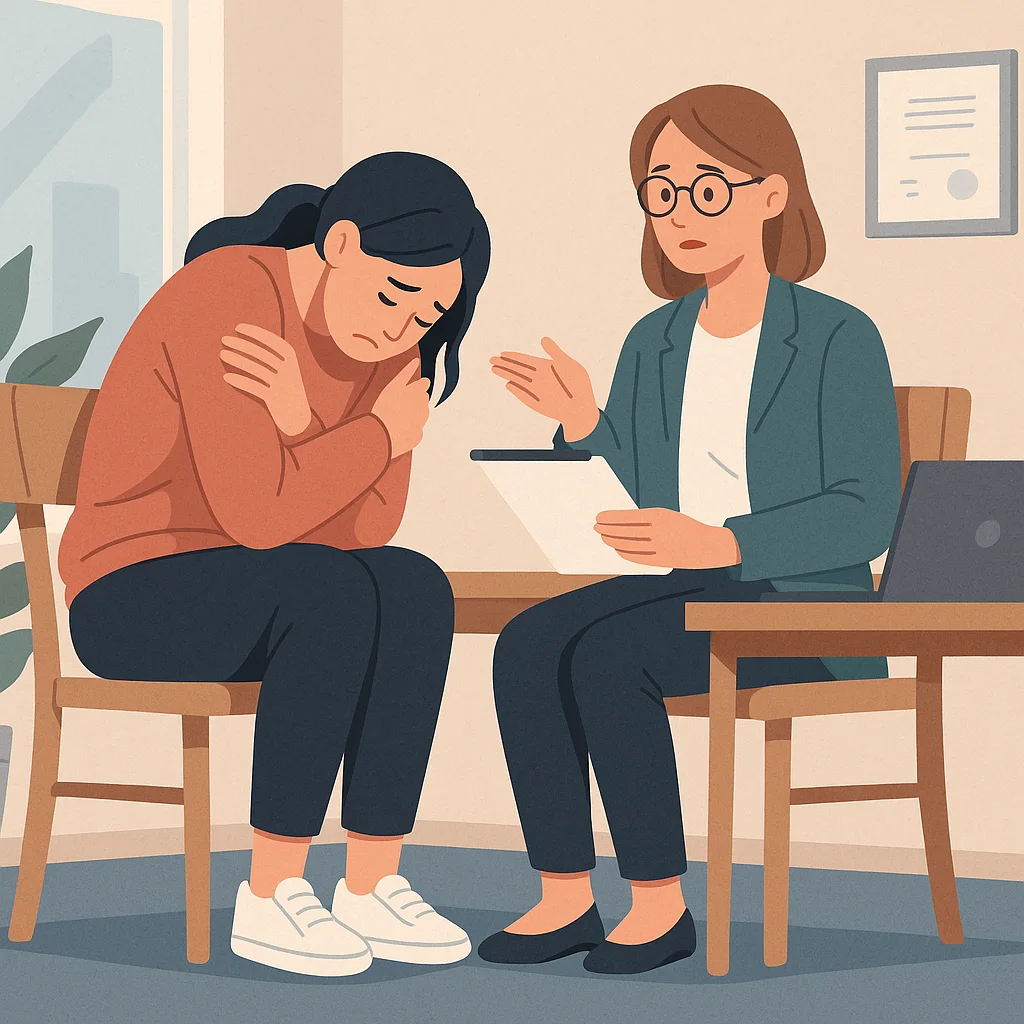
If you or someone you know is struggling, speaking to a GP or mental health professional is the best first step. They can provide an assessment, explain treatment options, and refer you to appropriate services.

ChatGPT Image Apr 29 2025 07 51 58 AM

Final Thoughts

So, is agoraphobia a disability? In many cases, yes. When agoraphobia substantially limits a person’s ability to live their daily life, it can meet the legal definition of a disability.

Acknowledging agoraphobia as a disability is not about labelling people. It is about recognising the genuine challenges they face and ensuring they have access to support, adjustments, and legal protections. With the right help, people living with agoraphobia can make meaningful progress, rebuild their confidence, and improve their quality of life.

No one should have to face agoraphobia alone, and support is available for those ready to take the first step.

FAQs

No. Having a diagnosis of agoraphobia does not automatically mean that you are legally disabled. It may meet the Equality Act definition when it has a substantial and long-term effect on your ability to carry out normal day-to-day activities.

Under the Equality Act, an impairment is generally considered long-term when it has lasted, or is likely to last, for at least 12 months. The assessment looks at the effects of the condition and how they affect your everyday life.

You can discuss adjustments if agoraphobia is making parts of your job or workplace difficult. Depending on your circumstances and the role, adjustments could include flexible hours, changes to working arrangements or support with travel-related requirements. What is considered reasonable will depend on the individual situation.

It is possible, but eligibility is not based on the diagnosis alone. PIP considers how a health condition affects specific daily living and mobility activities, including planning or following journeys and leaving home. Evidence should explain the practical support you need and the difficulties you experience.

No. Disability status describes the current or expected effect of a condition and does not mean that improvement is impossible. CBT, often combined with gradual exposure, can help people reduce avoidance and become more confident in situations that previously felt unsafe.

Author Bio

James Hicks

Disclaimer

This page is for general information and education. It is not personalised advice, diagnosis, or a substitute for professional assessment.

CBT Bristol

Take the First Step Towards Change

NOSA CBT offers evidence-based therapy for OCD, hoarding help, phobias, health anxiety, social anxiety, PTSD, panic disorder, and generalised anxiety disorder. We also provide a specialist OCD clinic, professional CBT supervision training, and CBT training and teaching for mental health professionals.

Get in touch today to find out how we can help.